 A new study led by researchers at the Washington National Primate Research Center shows that applying electrical stimulation to the brain within an hour of stroke onset may significantly reduce brain damage. The findings, published July 21, 2025, in Nature Communications, advance stroke intervention research and suggest a potential new path for early treatment in humans.
The study was led by Azadeh Yazdan-Shahmorad PhD, and PhD student Jasmine Zhou of the Neural Engineering and Rehabilitation Laboratory at the University of Washington with an assist from Karam Khateeb, another PhD student tin the same lab. They used a nonhuman primate (NHP) model to test whether electrical stimulation in the sensorimotor cortex could reduce the spread of injury after ischemic stroke, the most common type, making up some 70% of strokes. They applied a form of brain stimulation called theta burst stimulation—a rapid, rhythmic pattern designed to influence neural activity—directly adjacent to the damaged area. This intervention was done one hour after the onset of the stroke.
The electrical stimulation showed smaller lesion volumes compared to those that did not. In some cases, the damaged area was reduced by nearly half. The researchers also observed reduced inflammation and cellular stress markers in stimulated brains, suggesting the stimulation helped suppress harmful processes triggered by the stroke.
Previous research into brain stimulation for stroke recovery has mostly focused on chronic treatment, administered long after the stroke occurs. The use of stimulation within hours of stroke onset has remained largely unexplored due to longstanding beliefs that doing so would concerns about further injuring brain tissue. This study is one of the first to demonstrate in primates that early stimulation may instead provide a protective effect.
“The neuroprotective effects of electrical stimulation observed in this study hold promise not only for significantly improving acute stroke management – by reducing functional deficits and enhancing the chances of recovery in stroke survivors – but also for opening new avenues for therapeutic applications in other types of nervous system injury, including spinal cord injury and traumatic brain injury,” Dr Yazdan-Shahmorad said.
The results offer encouraging evidence for possible clinical applications. However, the authors emphasize that more research is needed before this approach can be considered safe or effective in human patients. You can read the study in Nature Communications, published on July 21, 2025.
 You can trace a direct line between the recent headline-grabbing

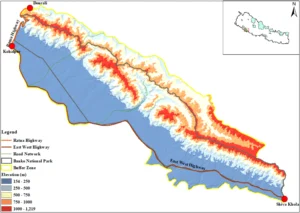 The researchers didn’t stop at counting the accidents. They wanted to understand where and why they were happening. Using maps, field surveys, and computer models, they identified three major danger zones on that road. These hotspots were responsible for more than 60% of all wildlife collisions. They also learned that accidents happened more often in the autumn, when animals are more active after the rainy season. And they discovered that curvy roads and sections far from human settlements saw the most accidents, while areas that ran through denser forests or had straighter paths tended to be safer for both animals and people.
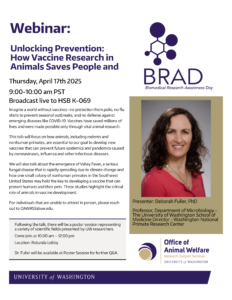
 WaNPRC Director Dr. Deborah Fuller today welcomed Dr Raimon Duran-Struuck as a core faculty member of the Washington National Primate Research Center. Dr Duran-Struuck is the Chair and a Professor in the UW Department of Comparative Medicine (DCM).